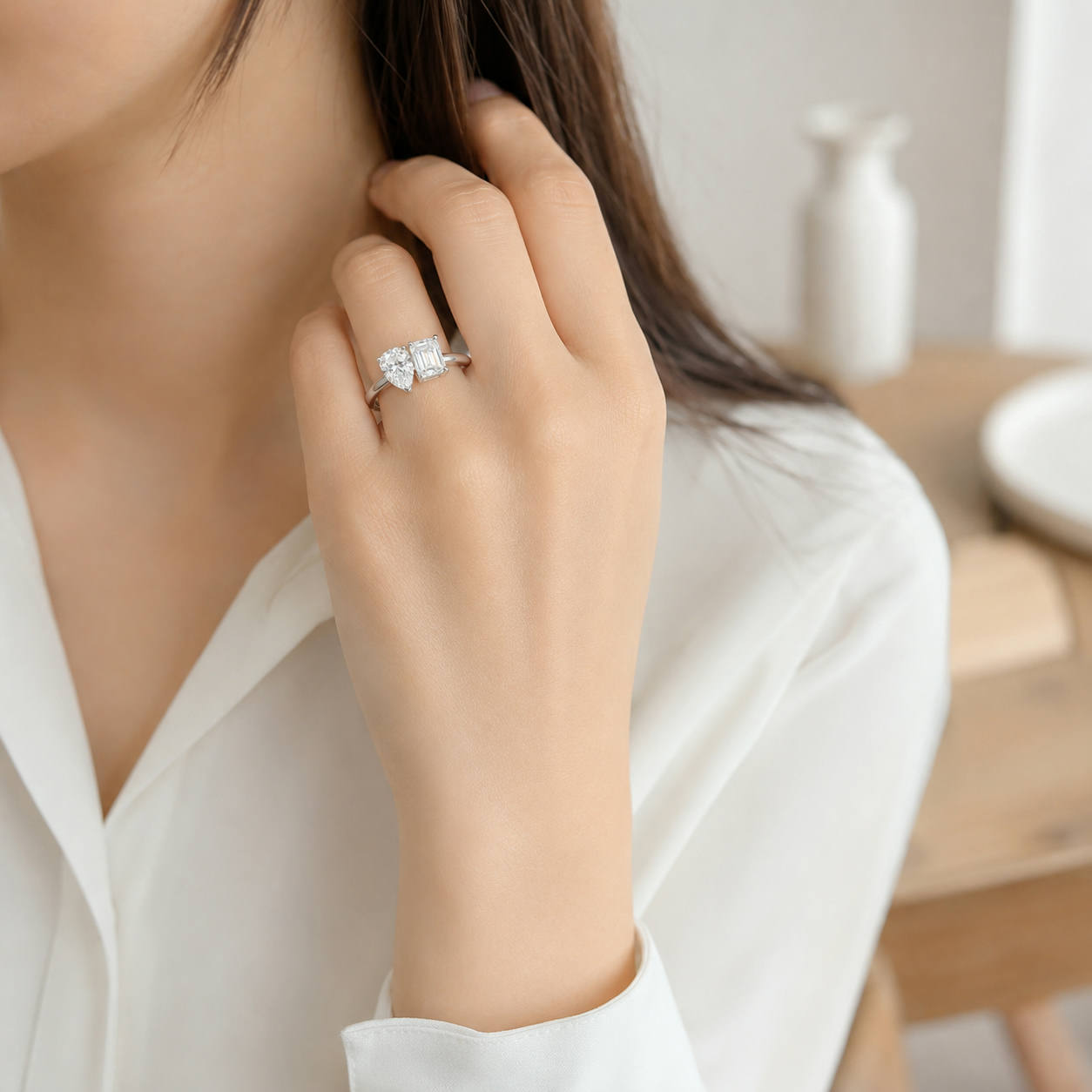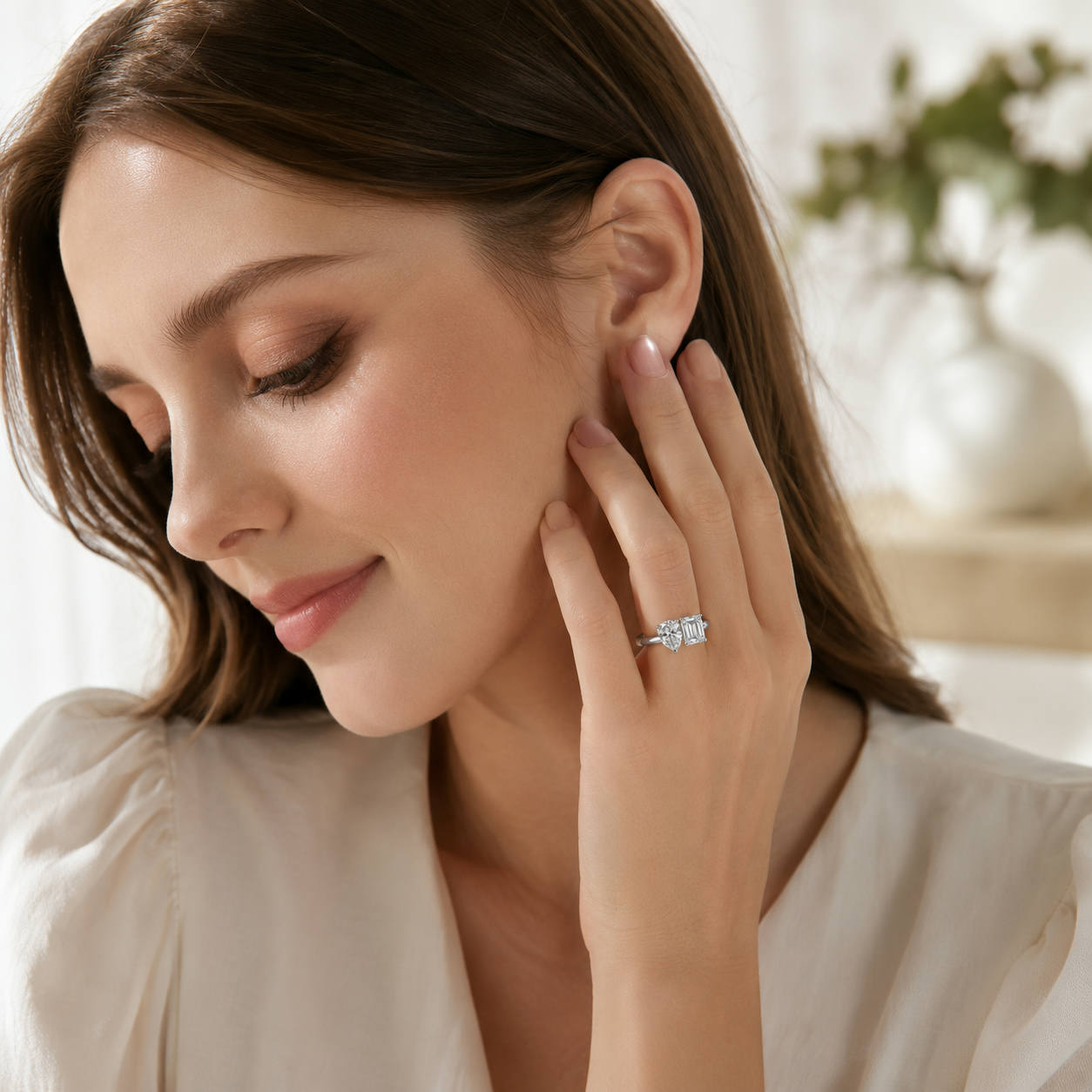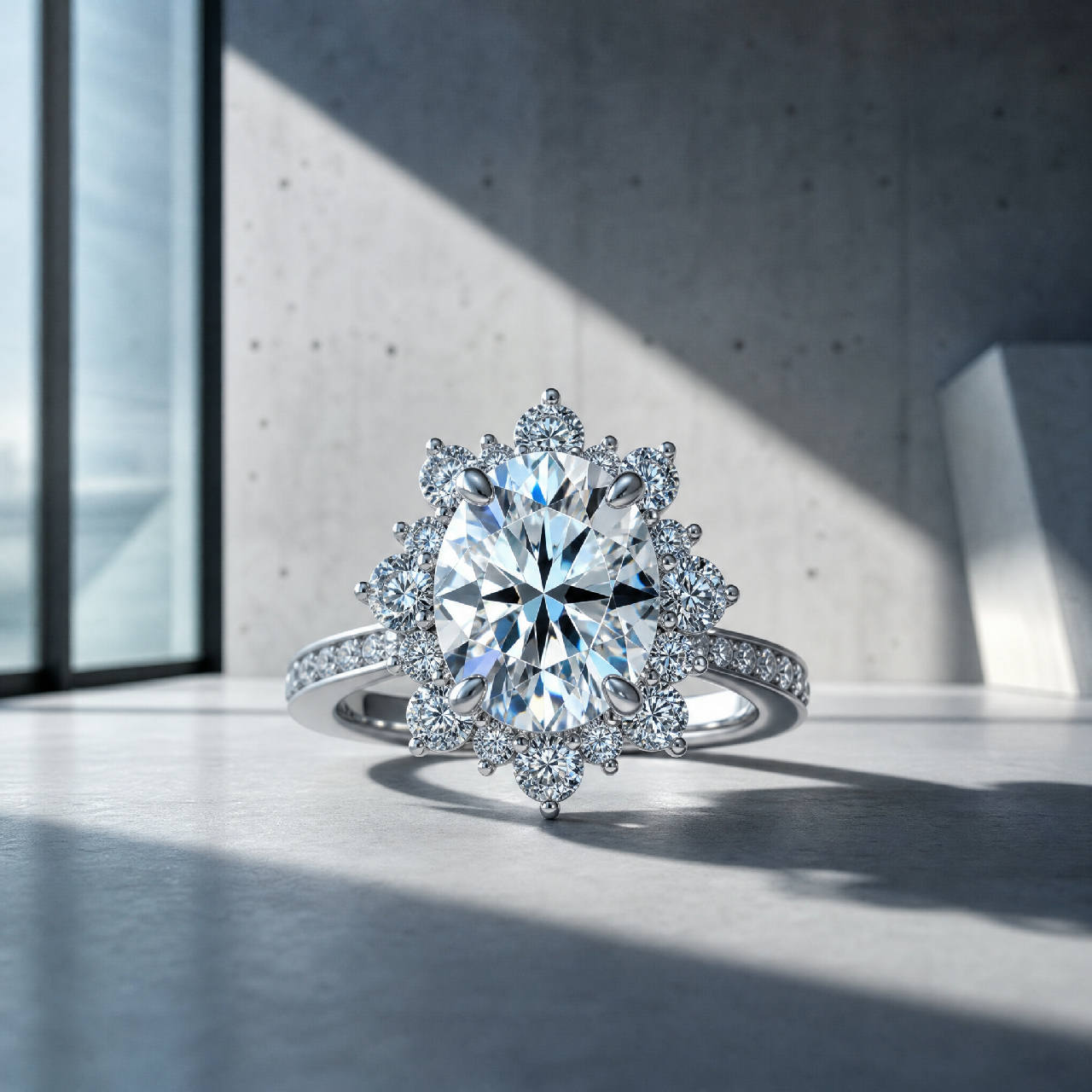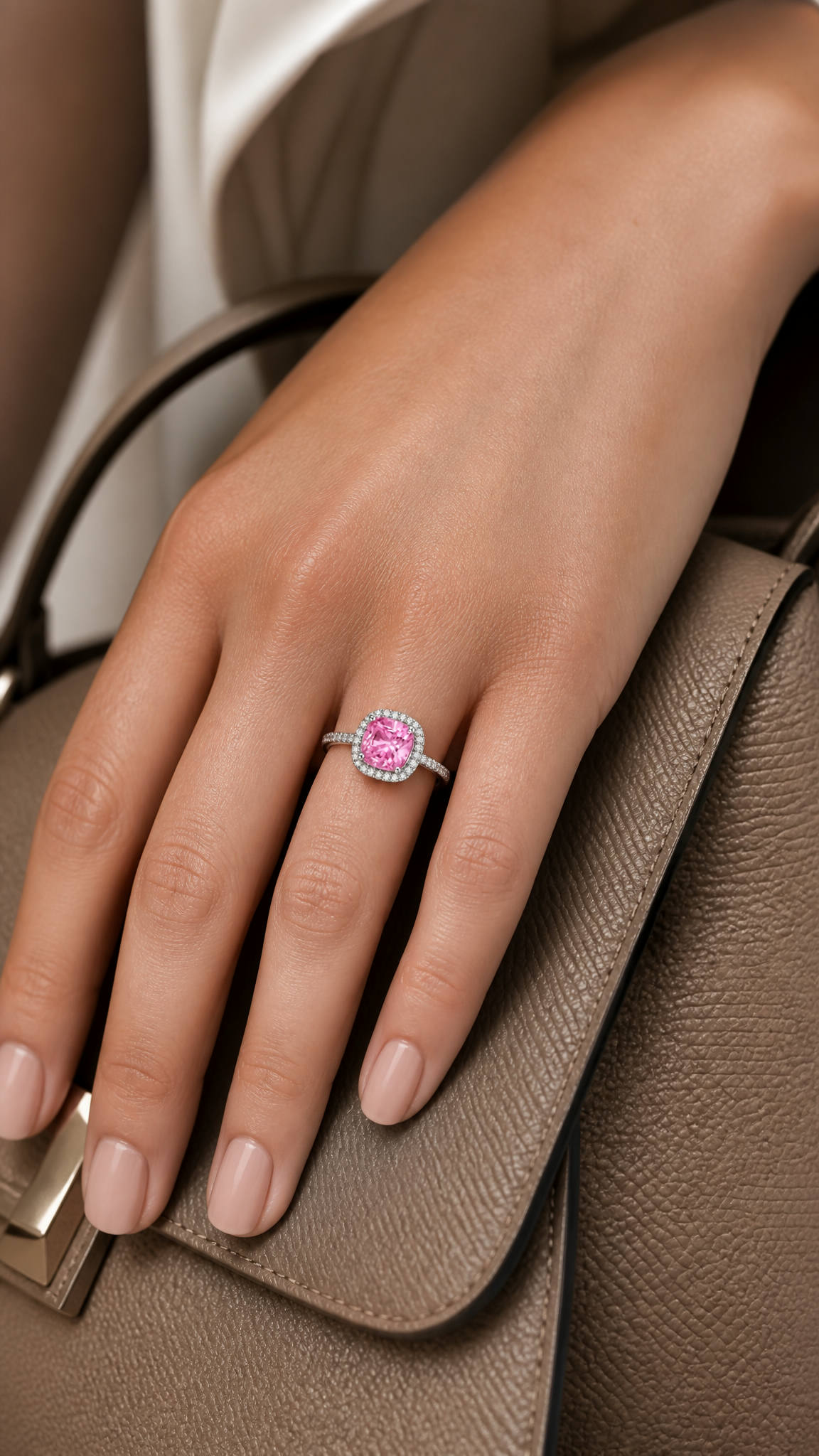
When it comes to choosing a center stone for your engagement ring, the moissanite vs. diamond debate is more relevant than ever. With advancements in lab-created gemstones, moissanite has emerged as a compelling alternative that rivals - and in some ways surpasses - traditional diamonds.
Brilliance and Fire
Moissanite has a higher refractive index (2.65) than diamond (2.42), meaning it bends light more effectively and produces more colorful flashes of light, known as "fire." If you want a stone that sparkles intensely under any lighting condition, moissanite delivers.
Durability
On the Mohs hardness scale, diamonds rank at 10, while moissanite comes in at 9.25. This makes moissanite one of the hardest substances on Earth and perfectly suitable for everyday wear.
Ethical and Environmental Impact
Moissanite used in jewelry is created in controlled environments rather than mined as a natural gemstone. Ask for the stone specification, treatment disclosure, and documentation that apply to the individual product.
Value
A high-quality moissanite typically costs 80-90% less than a comparable diamond, allowing couples to invest in a larger stone, a custom setting, or future experiences together.